The Bottleneck
Venezuela News — New U.S. energy deals face logistical hurdles in Venezuela
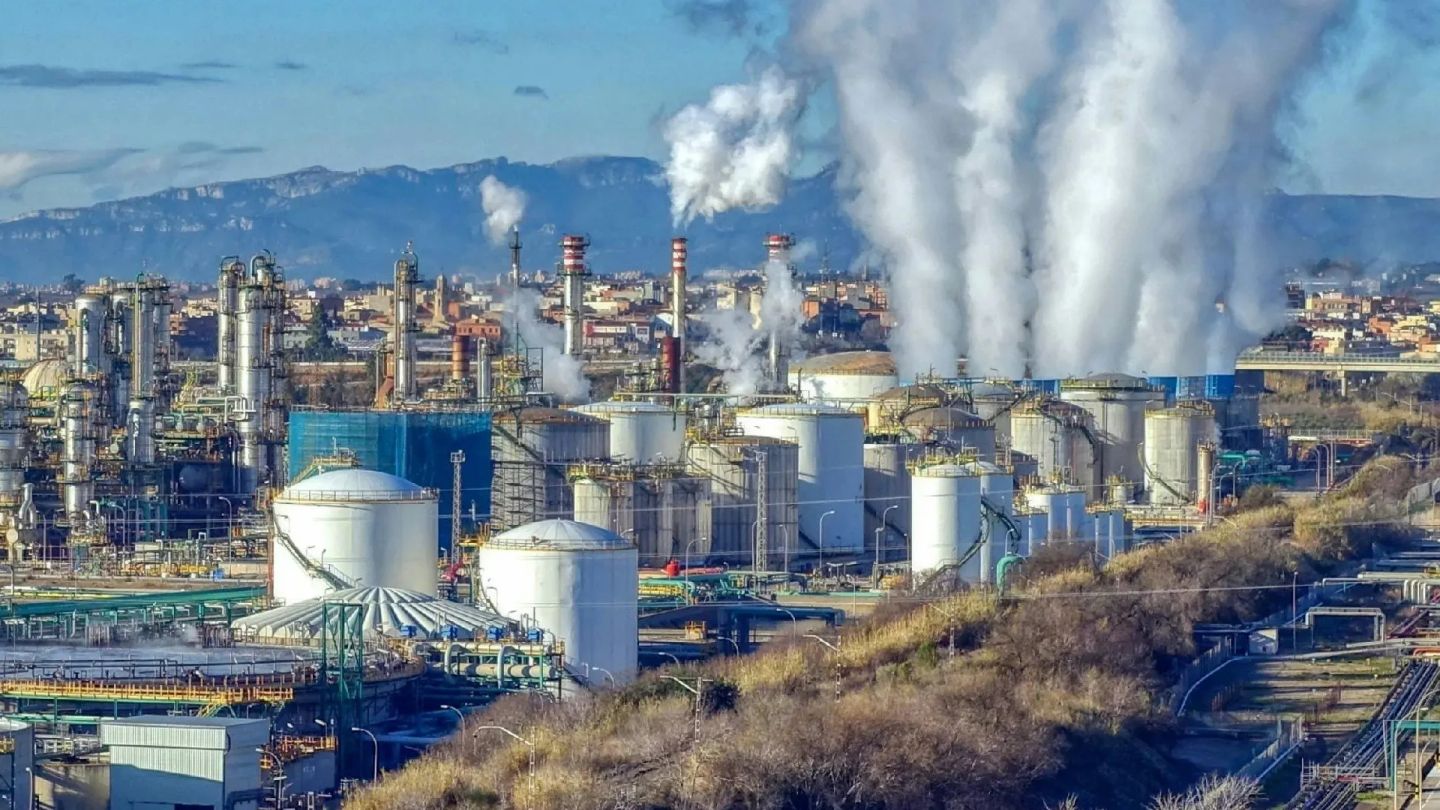
Three American oil companies signed the first U.S. production contracts inside Venezuela this week, and British oil giant BP won a U.S. license to buy and resell Venezuelan crude. But there is a catch: Reuters found Venezuela is now pumping oil faster than its old, breakdown-prone ports can load onto ships, and that bottleneck limits how fast the whole reopening can move.
Energy Sector
Three U.S. companies sign the first American oil-production contracts in Venezuela. Three U.S. firms signed Venezuela’s first American production contracts at an energy conference in Houston on August 18, with a senior U.S. Energy Department official, Deputy Secretary Kyle Haustveit, in the room. Hunt Oil, a private Texas oil producer, took over two existing fields (Caro and Carisito); Schlumberger, the world’s largest oilfield-services company (the contractor that drills wells and lifts output for producers like Venezuela’s state oil firm PDVSA), agreed to restart up to 15 idle drilling rigs; and Crossover Energy, a small Colorado startup, secured acreage in the Orinoco Belt, Venezuela’s vast heavy-oil region. Guacamaya
Venezuela is pumping more oil than it can actually ship. Its aging ports have become the main brake on the export revival, with oil tankers waiting as long as 30 days to load, Reuters reported on August 21. The Jose terminal, the country’s largest oil port and the point through which about 70 percent of exports leave, keeps breaking down from equipment failures, power outages, and crude-quality problems. That undercuts the U.S.-backed plan to ramp shipments up quickly, though trading houses Vitol and Trafigura have still moved more than 140 million barrels so far this year, most of it to the United States. Reuters
BP wins a U.S. license to buy and resell Venezuelan oil. BP, the British oil giant once known as British Petroleum, secured a U.S. Treasury license to buy Venezuelan crude and resell it, joining trading houses Vitol and Trafigura as one of Washington’s approved middlemen, Bloomberg reported on August 18. The money never reaches the Venezuelan government directly: buyers first pay into an account controlled by the U.S. Treasury, and the funds are only released from there. Bloomberg
Economy
A well-known U.S. economist wants Venezuela to scrap its currency and switch to the dollar. Steve Hanke, a Johns Hopkins economist famous for helping countries end runaway inflation, is proposing that Venezuela abandon the bolívar entirely, adopt the U.S. dollar, and shut down its central bank, Fortune reported on August 20. He is working on the plan with Antonio Ecarri, a member of Venezuela’s National Assembly, and puts its chances of passing at 50 to 80 percent. Venezuela’s annual inflation still runs near 400 percent, down from about 700 percent a year ago. Fortune
Politics
Heirs of a Venezuelan billionaire say the state seized their oil rights and gave them to a U.S. company. The family of Oswaldo Cisneros, a Venezuelan business mogul who died recently, accuses the government of stripping their company, DP Delta Finance, of drilling rights in the Orinoco Belt heavy-oil region and handing them to an American firm, Bloomberg reported on August 18. The family says it is owed about $2 billion and calls the move an arbitrary abuse of the sanctions process. It is an early sign that ownership disputes could hang over the wave of new American deals. Bloomberg
Other Industries
Caracas’s main airport reopens to passengers after the June earthquakes. Simón Bolívar International Airport, the main airport serving Caracas, reopened to passenger flights on August 24 at roughly 35 percent of its normal capacity, operating out of temporary terminals while repairs continue, El Nacional reported. It had been closed to passengers for 42 days after the June 24 earthquakes cracked its main runway; cargo flights resumed on August 5. Full operations are not expected until the end of the year. El Nacional